Professional Road Bikes in Tucson
Explore Your City: The Ultimate Guide to Cycling Rentals for Bold Adventurers
Discovering a city by bike can convert a standard visit into an exciting experience. Grasping essential gear, rental policies, and local trails is vital for a protected journey. The right bike can enhance the ride, while scenic routes showcase hidden gems. Planning finances carefully and exploring eco-friendly options further enhance the experience. Yet, many ignore the finer details that can transform their biking adventure. What key considerations might make a significant difference on the journey ahead?
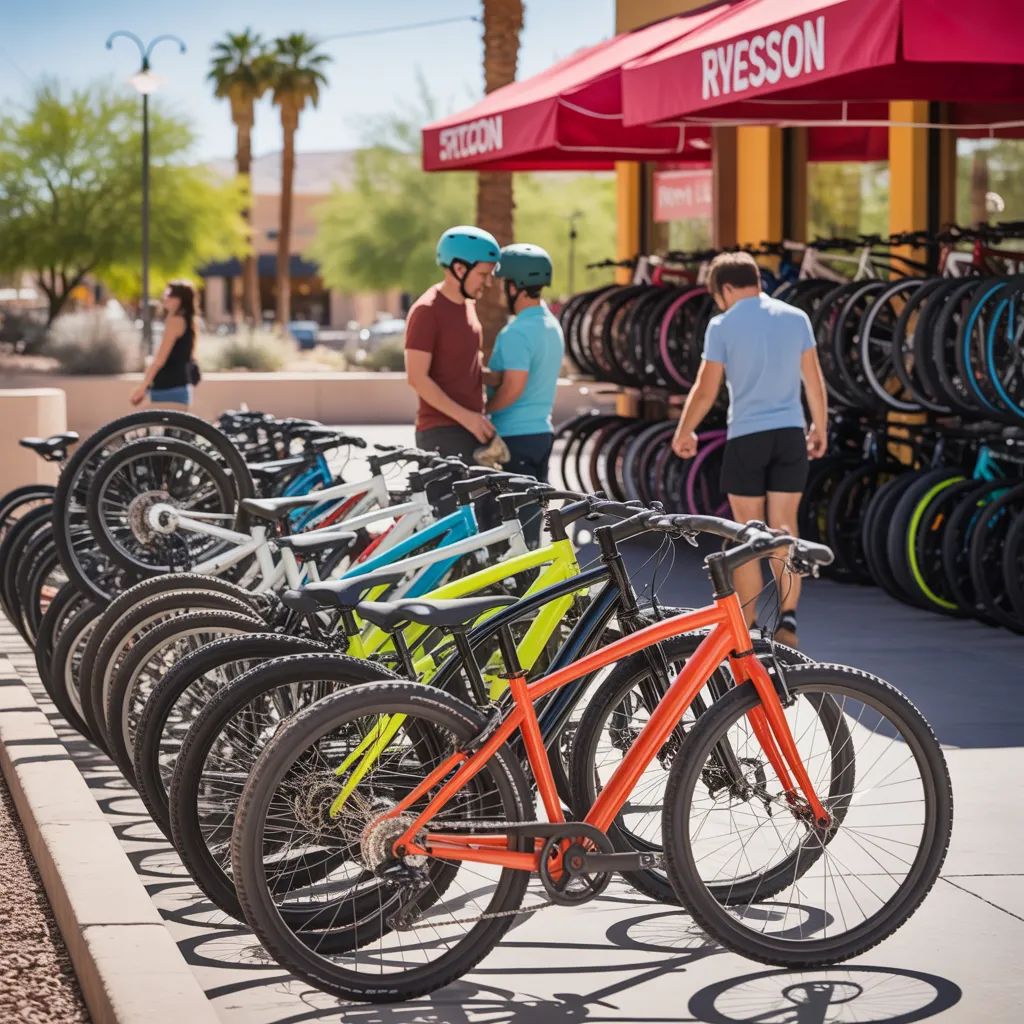
Vital Equipment for a Safe and Comfortable Ride
When beginning a bike rental adventure, safety and comfort should be your top priority. Important gear includes a properly fitting helmet, which protects against head injuries and enhances stability while riding. Additionally, cushioned cycling shorts can significantly boost comfort on extended rides, minimizing friction and irritation.
Riders should also consider selecting moisture-wicking apparel to better manage overall body heat. A reliable lock is necessary for protecting the bike during stops, while a small repair kit can resolve minor problems like loose chains or flat tires.
Sunglasses protect against UV rays and debris, enhancing visibility. Moreover, a water bottle and holder are crucial for maintaining hydration, especially during warmer days. Lastly, bright or reflective gear enhances visibility to other road users, promoting safety on shared roads. By providing themselves with this vital gear, riders are able to benefit from a safer and more comfortable cycling experience.
Where You Can Find the Finest Bike Rental Shops
Locating the top bike rental shops can greatly enhance a cyclist's experience. To identify these shops, riders should commence by reviewing local online reviews and ratings. Travel and outdoor activity websites and apps regularly showcase trustworthy rental providers, along with user feedback.
In addition, asking for suggestions from fellow cyclists or nearby cycling groups can yield valuable insights. Many cities have dedicated biking trails and paths, so shops situated near these areas tend to supply affordable rates alongside quality service.
Another useful strategy is to visit tourist information centers, where employees can offer advice about nearby rental shops, that commonly provide special offers or reduced rates.
Additionally, browsing social networking sites can reveal nearby cycling promotions and activities, allowing riders to stay informed about the top choices in their local area. Combining these resources will result in a fulfilling and enjoyable biking experience.
Important Bike Rental Policies to Be Aware Of
Before finalizing a bike rental, understanding the associated policies is essential for a smooth experience. Bike rental establishments generally specify clear terms related to age restrictions, identification, and accepted payment methods. Many establishments require a valid ID and a credit card for security deposits. It is equally important to understand the available rental periods; hourly, daily, and weekly options may vary in cost and availability.
Cancellation rules may differ considerably, with some shops offering full refunds if canceled within a specified timeframe, while some establishments could apply penalty charges. Additionally, knowing the liability coverage for damages or theft is crucial. Some rentals include insurance, while others may require additional coverage. Bikers should likewise educate themselves on local road rules and any designated bike path restrictions. By understanding these terms, riders can ensure a more pleasant and seamless cycling adventure.
Key Tips for Picking the Right Bike Rental?
What is the best way to find the most suitable bike rental? To begin, understanding the type of riding needed is key. Whether it's casual cruising or intense mountain biking, the chosen bike should suit both the terrain and purpose. Additionally, those looking to rent should evaluate the rental company's standing; customer reviews offer valuable information about service quality and gear condition.
In addition, it's vital to examine the condition of the bikes. A careful evaluation for wear and tear or deterioration can avoid unpleasant experiences. The rental period is also a key factor; many companies offer flexible hourly, daily, and weekly plans, which can alter overall costs. As a final point, being aware of rental agreements—such as coverage plans and return policies—ensures a seamless transaction. By reviewing these aspects, customers can effectively select a bike rental that meets their touring expectations.
Uncover Scenic Routes and Secret Gems
Uncovering breathtaking trails and lesser-known destinations can turn a cycling adventure into an memorable experience. From must-see scenic trails that highlight stunning natural scenery to hidden retreats brimming with authentic character, cyclists are frequently treated to remarkable finds. Additionally, metropolitan bicycle lanes offer a blend of culture and convenience, perfect for those seeking a lively metropolitan journey.
Must-See Scenic Trails
Beautiful trails provide cyclists with the chance to lose themselves in nature while exploring breathtaking scenery and hidden wonders. Many cities feature well-maintained routes that showcase their unique beauty. For instance, the lakeside path provides stunning views of shimmering waters, ideal for leisurely rides. Metropolitan parks commonly offer trails weaving through rich green spaces, where riders can experience a serene refuge from the hustle of city life. In highland regions, trails deliver exciting ascents and breathtaking panoramas that reward cyclists with extraordinary scenery. Coastal routes present cyclists with the invigorating ocean breeze and dramatic cliffs. Each route functions as a canvas, crafting a dynamic depiction of local heritage and natural splendor, encouraging adventurers to explore and relish every instant along the path.
Lesser-Known Destinations
For those seeking unique experiences, lesser-explored destinations expose remarkable finds and undiscovered trails that rarely attract attention. These picturesque routes provide a refreshing retreat from busy tourist hotspots, giving cyclists the opportunity to connect deeply with regional traditions and the natural environment. Exploring quaint neighborhoods, adventurers may come across cozy bistros, striking street installations, or community markets that highlight the city's distinctive spirit.
Outdoor lovers can discover tucked-away parks, peaceful lakes, or winding rivers, ideal for a tranquil cycling experience. These routes often feature spectacular sights, such as secret vantage points or vibrant foliage, rarely featured on standard maps. By exploring beyond the primary roads, riders can forge unforgettable memories and discover the genuine spirit of their locale, enriching their adventure.
Greatest Urban Bike Paths
What defines a truly unforgettable bike path? It typically comes from a mix of natural beauty, convenient access, and charming surprises. Urban bike paths can transform a simple ride into an exploration of the city's heartbeat. As an example, the High Line in New York City offers a unique elevated experience filled with gardens and art installations. At the same time, Chicago's Lakefront Trail treats riders to breathtaking views of Lake Michigan and the city skyline. Across in San Francisco, the Golden Gate Bridge path enables cyclists to take in magnificent views while riding across this celebrated landmark. Each of these paths reveals urban landscapes, inviting riders to discover local culture and history, making them ideal for both tourists and residents seeking adventure on two wheels.
How to Navigate Local Trails Like a Pro
Maneuvering local trails necessitates thorough preparation and respect for the environment. Cyclists should equip themselves with necessary equipment, map out their routes beforehand, and familiarize themselves with trail etiquette to enhance their experience. Understanding these elements secures a pleasant and secure journey for all participants.
Vital Equipment You Require
When venturing along local bike paths, having the right gear can significantly improve the cycling experience. Important equipment includes a properly fitted helmet to protect against injuries, and comfortable, sweat-wicking apparel for optimal performance. Sturdy biking gloves enhance grip while reducing hand fatigue, while padded shorts improve comfort during extended rides.
A reliable water container or hydration backpack is essential to keep hydrated, especially on sunny days. Furthermore, a small repair kit with tyre levers, a pump, and a multi-tool can rescue a cycling trip from unforeseen issues. To conclude, a quality pair of cycling glasses will guard against sun glare and debris. With this essential gear, bikers can safely explore surrounding trails and relish their cycling experience to the maximum.
Map Out Your Route
Charting a course is vital for every cyclist looking to explore local trails efficiently. To begin, cyclists should study local maps and trail resources, focusing on their chosen distance and terrain difficulty. Utilizing apps like Strava or Trailforks can deliver real-time guidance and identify well-traveled routes. It is important to consider trail conditions, as weather can affect accessibility; checking local forums or social media groups can provide helpful information. Furthermore, identifying landmarks and rest stops can elevate the riding experience, ensuring a more enjoyable experience. Riders should also be aware of alternative routes should unexpected closures arise. Overall, proper preparation empowers cyclists to traverse local trails with assurance and find hidden treasures along the journey.
Trail Etiquette Advice
Grasping trail rules is vital for bikers enthusiastic to fully enjoy their outdoor experiences. As a starting point, they should make way for walkers and hikers, permitting hikers and walkers to move past without difficulty. When approaching others, a courteous bell signal or spoken notice avoids startling others. Cyclists should keep their speed in check, particularly in crowded areas, and steer clear of erratic maneuvering. begin now It's also important to remain on marked trails to reduce ecological disruption. Should they come across wildlife, bikers should view from a safe range and not interfere with the creatures. To conclude, being mindful of other trail visitors by keeping noise levels down and clearing the trail of any debris cultivates a harmonious outdoor environment for all who share the path.
Planning Your Budget for a Bike Rental Experience
How can one make the most of their budget when renting a bike? As a first step, exploring nearby rental shops is key. Rates can differ significantly, so evaluating multiple options may uncover great deals with attractive pricing. Additionally, many shops provide discounts for longer rental periods, making it economical to opt for a full day or even a week.
Additionally, think about the style of bike that suits your needs. Even though top-tier models are attractive, an ordinary bicycle is typically adequate for leisurely rides. You should also ask about complementary accessories, such as safety equipment or locking mechanisms, which can save money on additional purchases.
As a final consideration, review any undisclosed expenses, such as insurance costs or delayed return fees, to avoid surprises. Through careful planning and expense awareness, individuals can experience a gratifying ride without straining their finances. This deliberate method ensures the outing stays both satisfying and financially comfortable.
Eco-Conscious Advantages of Bike Rentals
While many travelers seek adventure, they might be unaware that renting a bike offers significant eco-friendly benefits. Selecting a bike rather than a car decreases carbon output, helping to improve air quality and reduce traffic congestion. Bicycles use no fossil fuels and need minimal materials to produce, establishing them as a truly sustainable form of travel.
In city environments, cycling promotes a healthier environment by minimizing sound pollution and promoting the expansion of cycling-oriented infrastructure. Additionally, bike rentals often support local businesses that prioritize sustainability, thus strengthening the constructive effect on the local population.
Moreover, opting for a bicycle rental cultivates a more profound connection with the surroundings, permitting travelers to discover off-the-beaten-path locations avoiding the carbon footprint resulting from motorized vehicles. Since awareness of environmental issues expands, deciding to rent a bike stands as not just an exciting option but a responsible one, aligning travel with environmentally responsible choices.
Commonly Asked Questions
What Types of Bikes Are Available for Rental?
Multiple bike types are provided for rental, including road bikes, mountain bikes, hybrid bikes, and electric bikes. Each type caters to different preferences, ensuring riders can choose the best fit for their urban adventure.
What Are the Age Requirements for Renting a Bike?
Age restrictions for bike rentals vary by location. Typically, adults can rent bikes, while minors may need parental consent or supervision. A number of rental shops carry bikes tailored specifically for younger riders to promote safety.
Can I Rent a Bike for a Day Trip?
Indeed, the majority of bike rental services offer bikes for day trips, enabling customers to discover the local area at their own pace. It is wise to check particular rental terms concerning time limits and any additional requirements before committing.
What Do I Do if Someone Steals My Bike?
In the event that a rented bike is stolen, the renter is generally expected to reporting the theft to the rental company and local authorities. Charges may apply based on the rental agreement, potentially leading to financial liability.
Do Rental Shops Offer Helmets and Protective Gear?
The majority of rental shops offer helmets and safety gear, ensuring riders have essential protection. Nevertheless, customers are encouraged to verify the availability and condition of gear prior to renting, since policies can differ from one shop to another.